
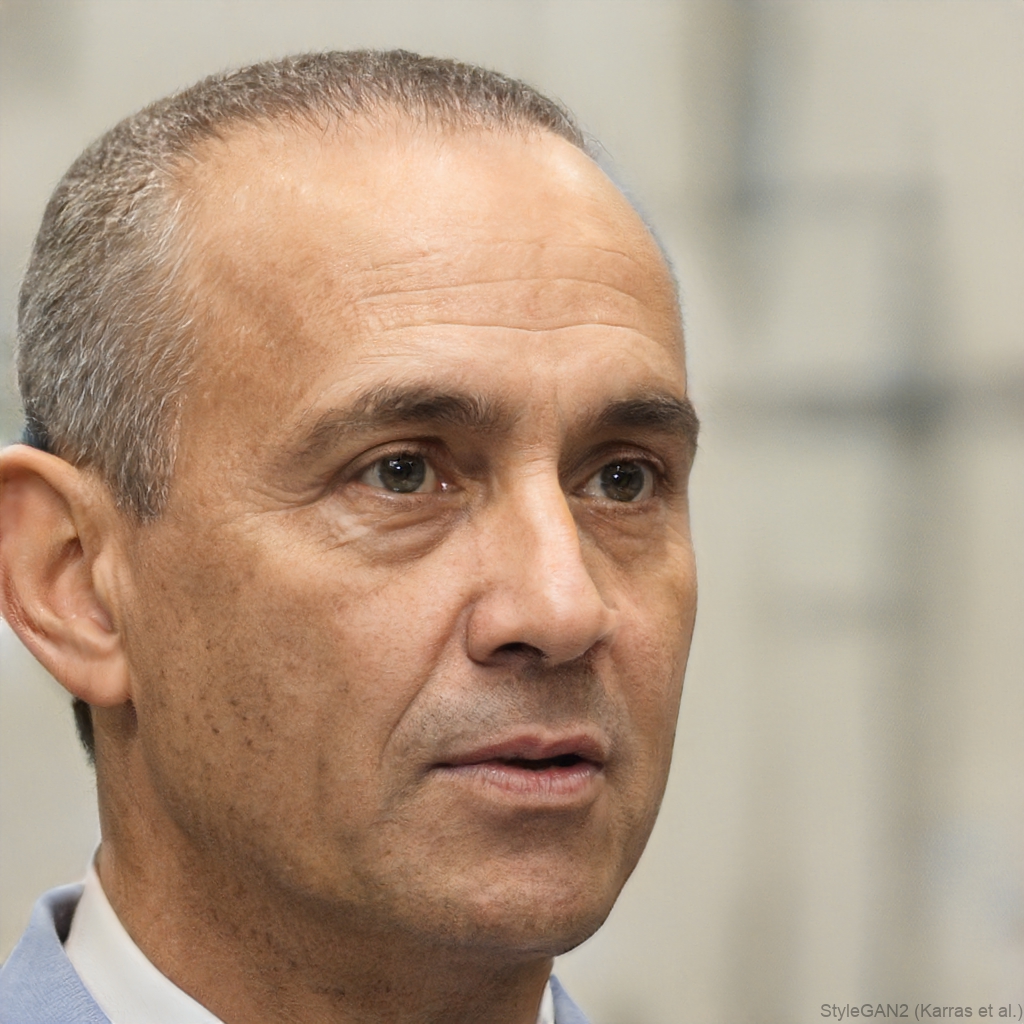
Folke Engstrom
Director
Community • Governance • Care
Equmeniakyrkan Motala brings faith, youth work, practical support, and civic partnership together so families, elders, and new arrivals can build stability with dignity.
Board Leadership
The board combines ministry leadership, financial oversight, youth safeguarding, and local partnership management.
Director
Board Chair

Treasurer

Safeguarding Lead

Community Partnerships Lead

Youth Programs Coordinator
Programs
Each program is reviewed against participation, safeguarding, volunteer capacity, and measurable local outcomes.
Weekly gatherings combine tutoring, meals, music, and pastoral mentoring for teenagers navigating school pressure and social isolation.
Primary setting: after-school support, volunteer mentors, family follow-up, and referrals when more specialized care is needed.
Emergency grocery distribution, utility gap support, and direct coordination with partner charities help households bridge short periods of acute pressure.
Community basis: pantry support, rapid-response volunteers, and clear eligibility review to direct aid where it matters most.
Regular gatherings reduce loneliness through transport help, meals, pastoral visits, and social activities designed for older adults living alone.
Support model: volunteer hosts, phone check-ins, home visits, and transport coordination for appointments and church activities.
Conversation tables and local orientation sessions support new arrivals building confidence with Swedish language, services, and neighborhood networks.
Operating model: peer hosts, referral handoffs, translation support, and community meals that lower barriers to participation.
Annual Impact Report
The annual report summarizes who was served, how resources were allocated, what changed across the year, and where board oversight led to policy or budget adjustments.
Governance Policies
Core policies are reviewed annually and applied across staffing, volunteers, partnerships, and restricted funding.
Disclosure expectations, abstention rules, and board review procedures for related-party matters.
Volunteer screening, escalation routes, and operating controls for all youth-facing activities.
Standards for designated income, reporting cadence, and approval thresholds for reallocations.
Independent reporting channels, response expectations, and documented board follow-through.
Financial Dashboard
The chart reflects current board-approved distribution targets for unrestricted annual operating revenue.
Case Study Spotlight
A parent referred through a local school entered the church’s emergency support network after repeated absences linked to housing and utility pressure.
Stakeholder Testimonials
Representative feedback emphasizes reliability, visibility of impact, and practical follow-through.
“They are one of the few local partners who report clearly and still remain close to people in immediate need.”
“Our donation did not disappear into administration. We could see where the work happened and who benefited.”
“The church became the first place where my children felt known, safe, and welcome after we arrived.”
Board Meetings & Events
Timeline items include governance checkpoints alongside open community moments where stakeholders can engage.
Board review of year-to-date spending, restricted fund movements, and summer program readiness.
Residents, volunteers, and partner groups share emerging needs and priorities for autumn planning.
Formal annual review covering volunteer onboarding, reporting pathways, and youth-program controls.
Public presentation of outcomes, financial summary, and program performance ahead of next budget drafting.
Donor Transparency
For every donated dollar, the board’s current model aims to preserve frontline service strength while funding the controls that keep the work credible and safe.
Take Action
Support can be financial, strategic, operational, or program-specific. Each route includes clear next steps and public accountability.